Reading the dress code on a Nigerian wedding invitation
Colours of the day, traditional attire, black tie, owambe. What each phrase really asks of you as a guest, and how not to upstage the bride.
The styling team, 18 June 2026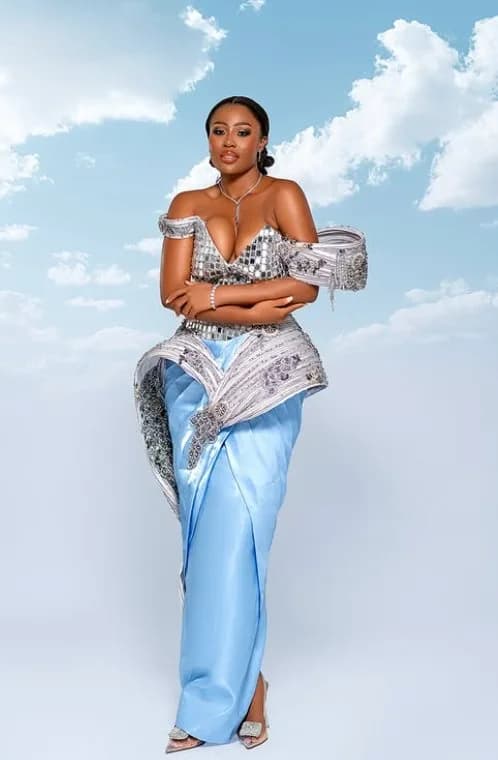
A Nigerian wedding invitation can say a great deal in very few words. “Colours of the day: wine and gold.” “Traditional attire.” “Black tie.” Guests who read them well look like they understood the family; guests who do not end up explaining their outfit all evening. Here is what the usual phrases mean in practice.
“Colours of the day”
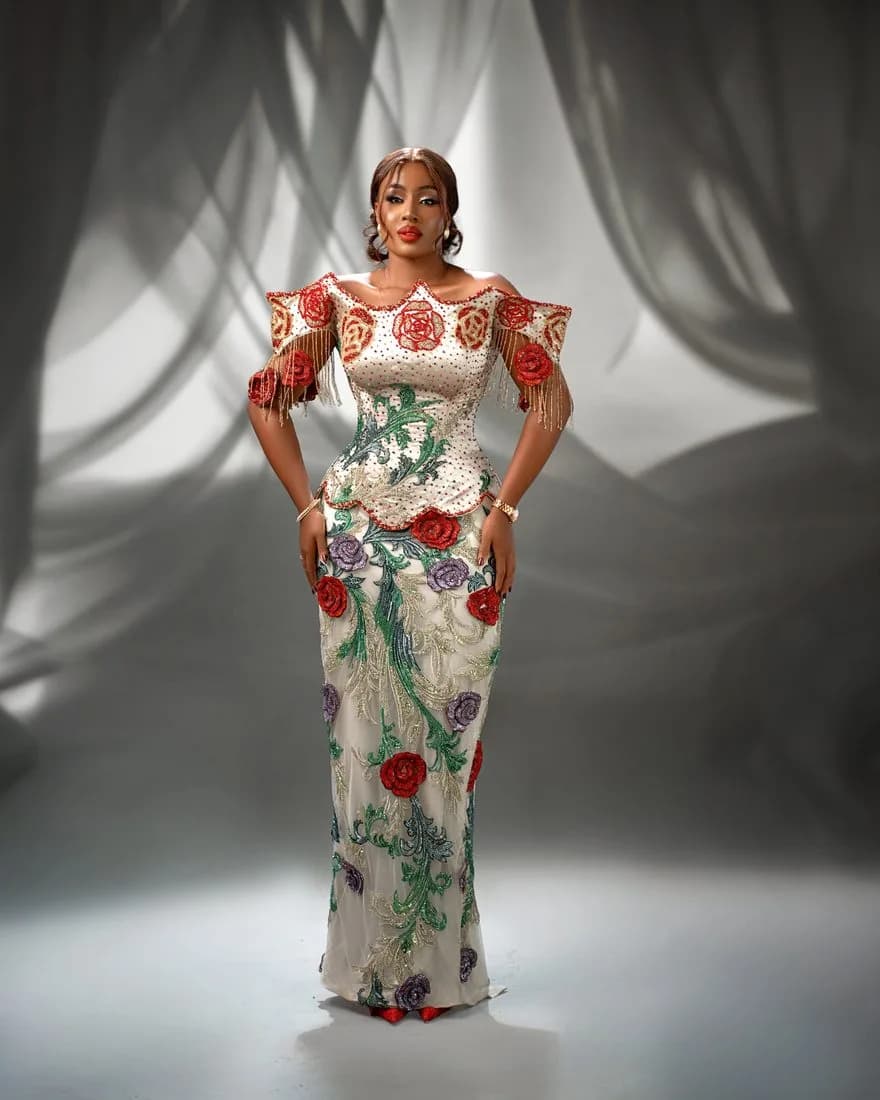
The family has chosen colours, and guests who are not buying the aso-ebi are expected to wear them. You do not need the exact shade. You do need to be clearly in the palette. If the colours are wine and gold, a burgundy gown with gold accessories is right; a red gown with silver is not quite.
If you are buying the family aso-ebi, wear it. Arriving in the colours but not the cloth reads as a choice.
“Traditional attire”
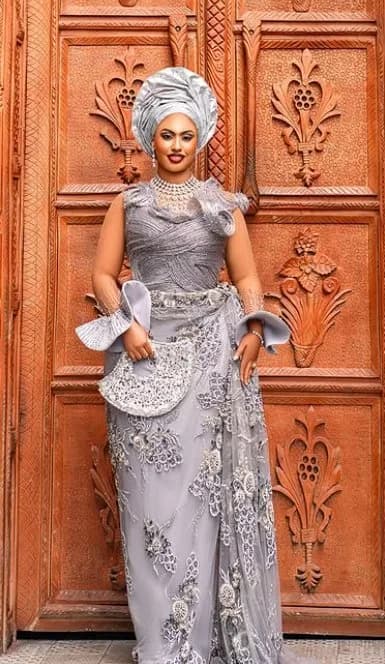
This usually means cultural dress: iro and buba with gele, a lace wrapper set, or a structured gown in lace or aso-oke with a head tie. It does not mean Western evening wear. If the families come from different cultures, either tradition is appropriate, and guests often honour the host family's.
“Black tie” or “formal”
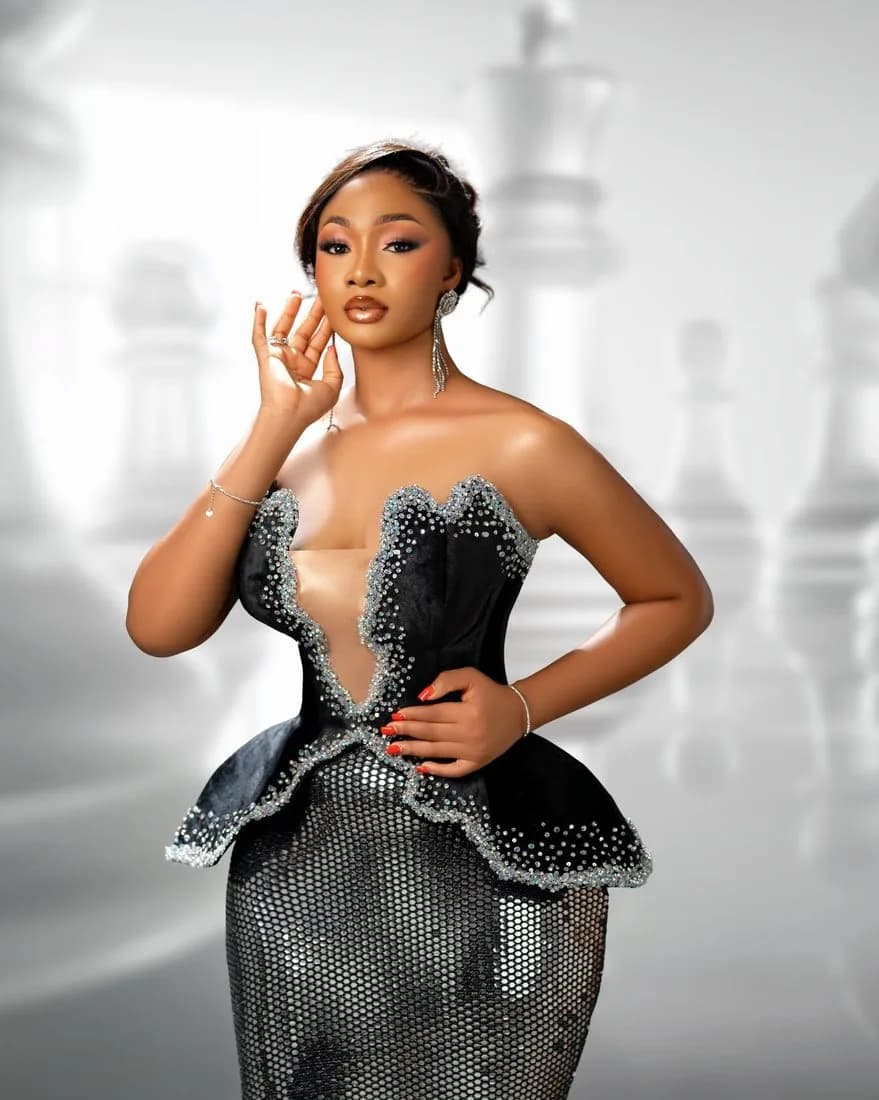
Floor-length evening wear. This is the one Nigerian invitation where a gown without a gele is expected. Colour is usually open unless colours of the day are also given. Short dresses, even elaborate ones, are better saved for the after-party.
“Owambe” or no dress code at all
Presence is the dress code. Rich fabric, a statement silhouette and accessories you can dance in. This is where the Owambe Edit lives. It is also the setting where a well-fitted piece matters most, because you will be dancing, sitting and photographed for hours.
How not to upstage the bride
- Avoid white, ivory and champagne unless the invitation specifically asks for them.
- Check the bride's colours. If you know her reception look, avoid wearing its colour.
- Keep trains for your own wedding. A sweep train on a guest dress is usually too much at someone else's.
- Scale the gele to the role. The mothers and the bride traditionally wear the most dramatic head ties.
If you are part of the family
Close family, mothers of the couple and the bride's friends have more room to be dramatic, and are expected to be. Coordinate with the family early; your outfit will be in the portraits that hang in living rooms for decades.
When in doubt, ask the couple. Nobody minds the question. Everybody remembers the wrong outfit.
Timing matters as much as style
Colours of the day are often announced six to eight weeks before a wedding. That is enough time for ready-to-wear and tight for couture. If you attend many weddings each year, a small number of re-wearable pieces in classic colours will cover most “formal” invitations. See cost per wear for how to plan that wardrobe.