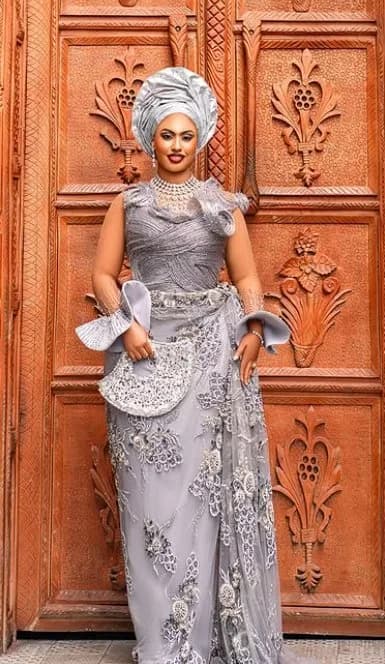
How to choose aso-ebi that photographs well
The fabric is shared; the photographs are not. What to look for in colour, texture and cut before the tailor picks up the scissors.
The styling team, 14 September 2026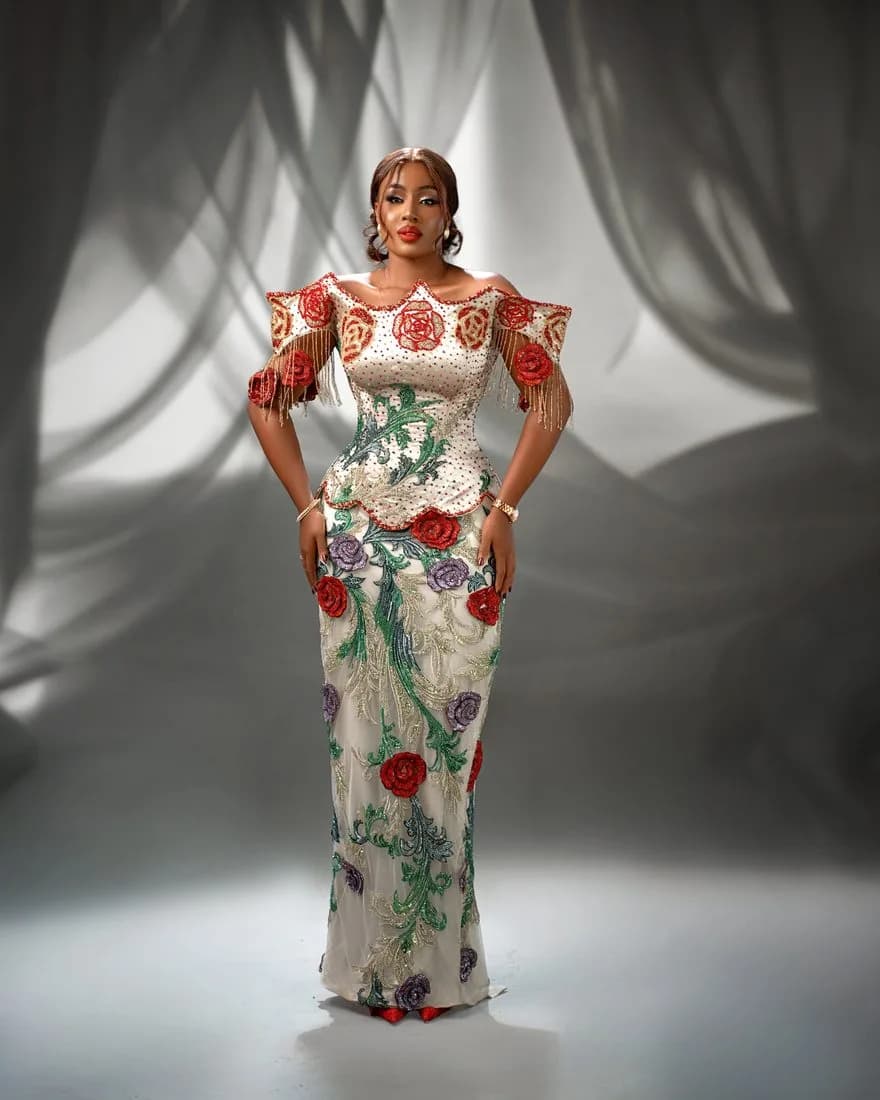
Every aso-ebi group starts with the same bolt of cloth, and within an hour of the party starting, most of it has blurred into one long row in the photographs. The women who stand out are not always wearing the most expensive version. They have made three or four decisions that the camera rewards.
Start with how the fabric takes light
Event photographers in Lagos shoot under a mix of daylight, canopy shade and hard flash. Flat, matte fabrics lose their colour under flash; very shiny satins turn white at the highlights. The fabrics that hold up are the ones with texture: corded lace, beaded tulle, brocade with a raised pattern. Texture gives the light somewhere to sit, so the colour reads as colour rather than glare.
If the family has already chosen a satin, ask for beadwork or appliqué at the bodice. It breaks up the surface exactly where the camera is focused.
Put the detail where the frame is
Most owambe photographs are cropped at the hip or the knee. Guests are photographed seated, dancing or in groups of four. That means the neckline, shoulders and waist carry the outfit. A dramatic hem looks wonderful walking in and disappears in 80% of the pictures.
- Shoulders: a structured shoulder, rolled cuff or beaded fringe frames the face in close-ups.
- Neckline: a clean shape (sweetheart, halter, scalloped off-shoulder) reads from across the hall.
- Waist: a peplum or a defined seam keeps your silhouette distinct in group shots.
Choose one statement, not three
A heavily beaded bodice, a sculpted sleeve and a trailing hem will compete, and the photographs will look busy rather than rich. Decide which element is the point of the outfit and let the rest support it. The Red Crystal Gown puts everything into the bodice and shoulders and keeps the skirt quiet for exactly this reason.
Test the colour against your gele before cutting
The gele is usually cut from a different fabric, often a stiff metallic, and it sits right beside your face in every portrait. Hold the two fabrics together in daylight and under a phone flash before anything is cut. A gold gele against a coral lace can look deliberate in person and muddy on camera.
Photograph a swatch of the cloth next to your gele on your phone with the flash on. If you like that photograph, you will like the professional ones.
Give the tailor enough time
Most aso-ebi problems come from compressed timelines. Fabric arrives two weeks before the event, the tailor has thirty other orders from the same family, and fittings get skipped. For anything with hand beadwork, allow four weeks from when the tailor has the fabric. For ready-to-wear alternatives in the family colour, ask early whether the house can match it.
A short checklist
- Textured fabric, or embellishment at the bodice if the fabric is flat
- Detail concentrated between the shoulders and the hip
- One statement element
- Gele tested against the cloth under flash
- At least one fitting before the week of the event
If you would like help choosing a silhouette for your family's cloth, our styling consultations run 45 minutes, in the studio or on a video call.